Miami’s restaurant scene is full of competition, from beachfront cafés and family-owned restaurants to fine-dining establishments and international food destinations. With so many dining options available, attracting customers requires more than great food and excellent service. People also need to find your restaurant when they search online for places to eat.
This is where SEO for Miami restaurants becomes valuable. Search engine optimization helps restaurants improve their online visibility, reach nearby customers, and attract people who are actively looking for dining options. With the right strategy, your restaurant can strengthen its local presence and create more opportunities to turn online searches into reservations, takeaway orders, and visits.
1. Optimise Your Google Business Profile
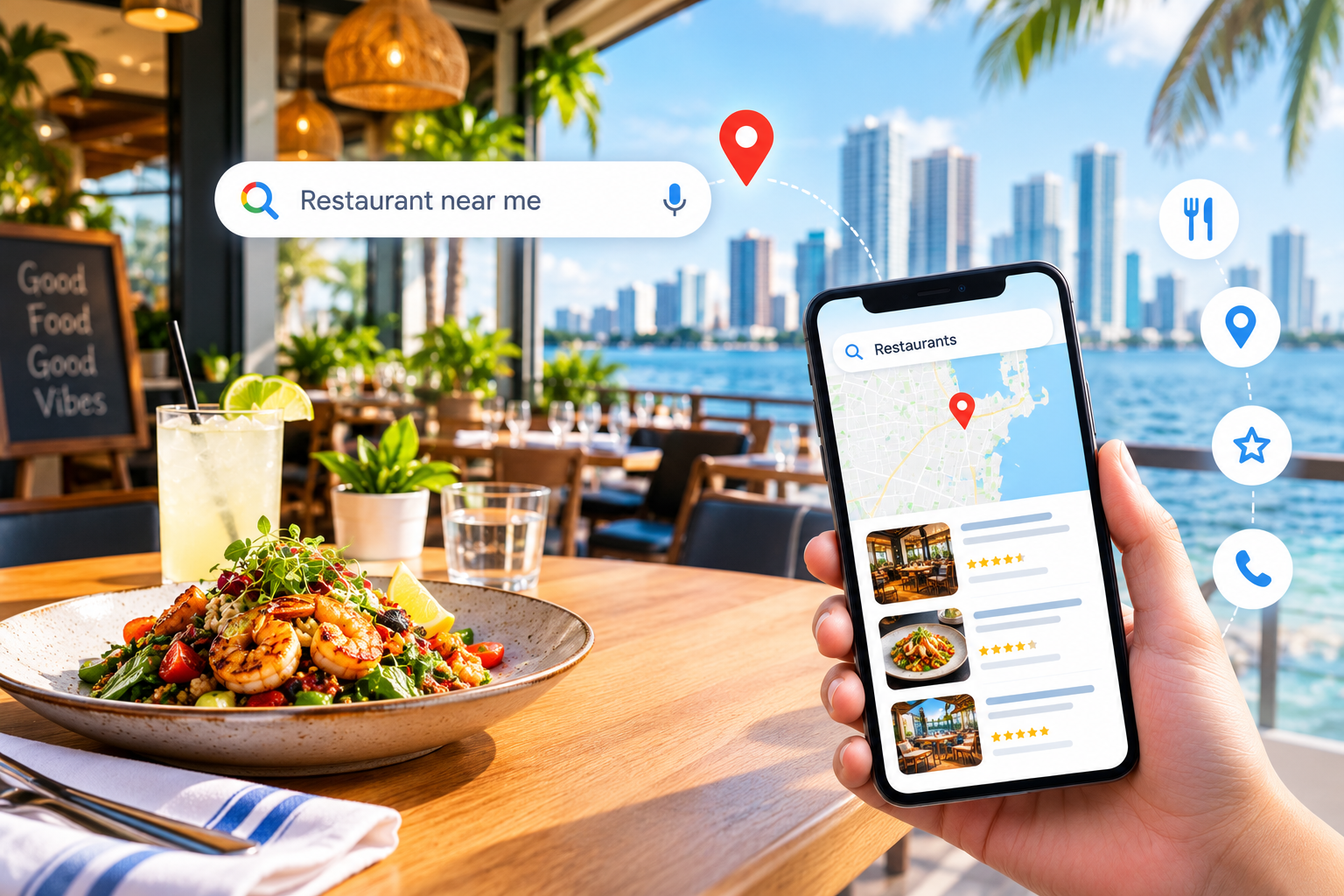
Google Business Profile is one of the most important tools for restaurants targeting local customers. When people search for restaurants nearby, Google may display local listings with addresses, ratings, photographs, opening hours, and directions.
To improve your restaurant’s local presence, make sure your profile includes:
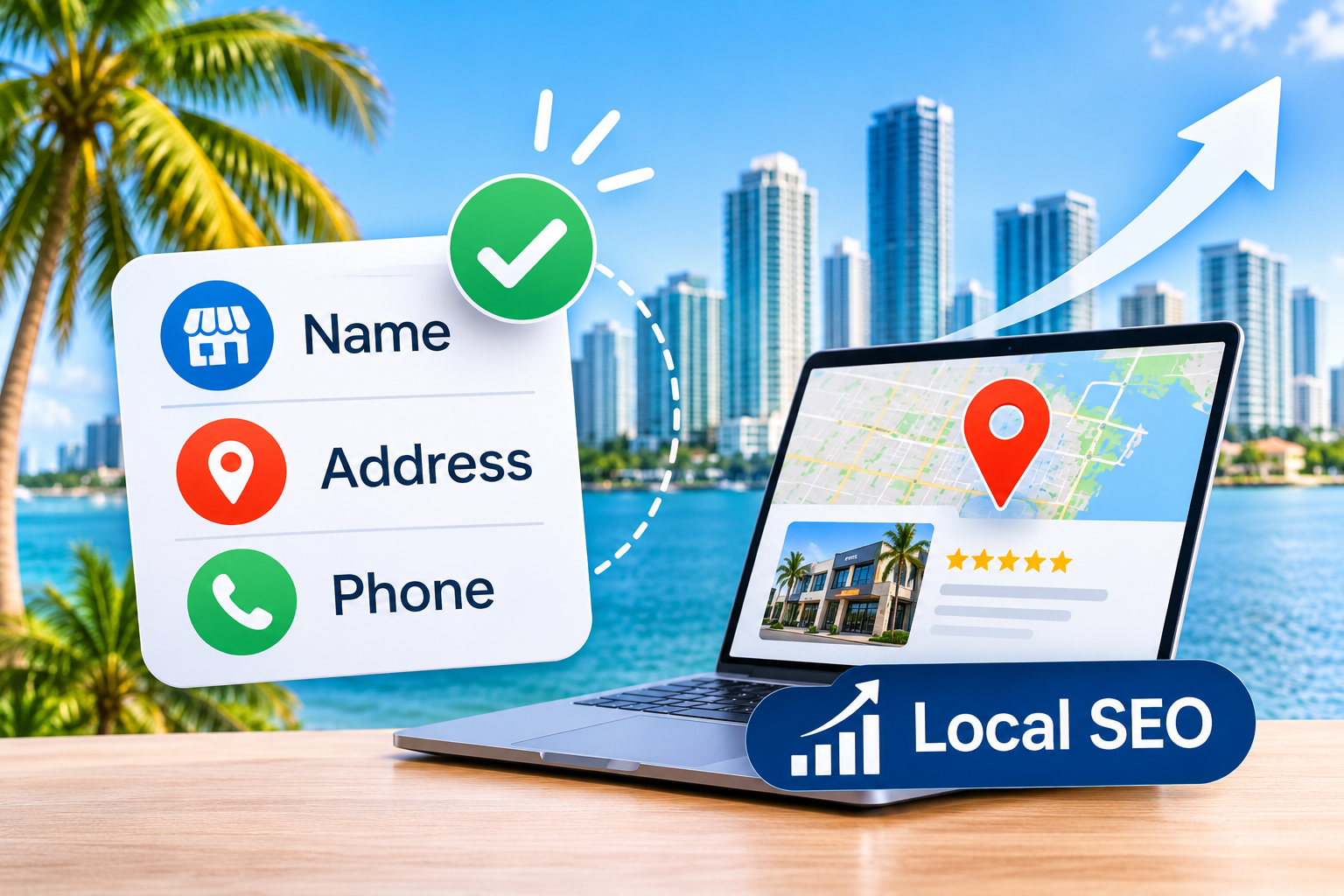
- The correct restaurant name, address, and phone number
- Accurate opening hours and holiday schedules
- The appropriate business category
- An updated menu and website link
- High-quality photographs of your food, interiors, and dining area
- Relevant attributes, such as outdoor seating or takeaway, where applicable
Keep your information accurate and respond professionally to customer reviews. An updated profile helps potential diners find the information they need before deciding where to eat.
2. Target Relevant Local Keywords
Keyword research helps restaurants understand what potential customers search for online. Instead of focusing only on your restaurant’s name, target relevant phrases related to your cuisine, location, and dining experience.
Examples include:
- Best Italian restaurant in Miami
- Seafood restaurants in Miami Beach
- Mexican food near me
- Family-friendly restaurants in Miami
- Best brunch spots in Brickell
- Vegan restaurants in Miami
Use these phrases naturally in your website content, page titles, headings, menu pages, and relevant blog posts.
Avoid repeating the same keywords excessively. Your content should sound natural and provide useful information to people looking for a place to eat.
3. Create Location-Specific Website Pages
Miami includes different neighbourhoods with distinct dining audiences. Creating relevant location-specific pages can help restaurants connect with customers searching in particular areas.
For example, a restaurant serving several locations might create useful pages for Brickell, Coral Gables, Wynwood, or Miami Beach, provided those locations are genuinely relevant to its operations.
Each page should include unique information about the restaurant, cuisine, menu, location, and dining experience. Avoid creating multiple pages that contain nearly identical content with only the neighbourhood name changed.
A clear website structure helps visitors find important information quickly and gives search engines better context about your restaurant.
4. Make Your Menu Easy to Find Online
Your menu can influence whether a potential customer chooses your restaurant. People often want to check prices, available dishes, dietary options, and specialities before visiting.
Instead of relying entirely on a downloadable PDF or an image of your menu, consider publishing an accessible HTML menu on your website. This makes the information easier to read on mobile devices and can help search engines understand the page content.
Include clear dish descriptions, current prices, and relevant dietary information. Update the menu whenever offerings change to avoid disappointing customers who arrive expecting an unavailable item.
5. Encourage Genuine Customer Reviews
Online reviews can influence where people decide to dine. Customers often compare ratings, read recent feedback, and examine photographs before choosing a restaurant.
Encourage satisfied customers to leave honest reviews without offering incentives in exchange for positive feedback. Respond to reviews politely, thank customers for sharing their experiences, and address complaints constructively.
Reviews also provide useful insights into customer expectations. If diners frequently mention a particular dish, service feature, or atmosphere, those observations can help you improve both the dining experience and your website content.
6. Optimise Your Website for Mobile Users
Many people search for restaurants while travelling, shopping, or deciding where to eat at the last minute. A slow or difficult-to-use mobile website can cause potential customers to leave.
Make sure your website loads quickly, displays correctly on smartphones, and provides easy access to your menu, location, opening hours, and contact information.
If your restaurant accepts reservations or online orders, make those actions simple. Clear buttons for booking a table, ordering food, or getting directions can help visitors take the next step without unnecessary effort.
7. Publish Helpful and Engaging Content
Restaurant SEO is not limited to menu pages and business listings. Useful content can introduce your restaurant to people who are researching dining options or looking for specific experiences.
Consider publishing articles such as:
- Best Dishes to Try at a Miami Seafood Restaurant
- How to Choose a Restaurant for a Family Dinner in Miami
- A Guide to Weekend Brunch in Miami
- Popular Vegetarian Dining Options in Miami
- What to Look for When Planning a Private Dining Event
Choose topics that genuinely relate to your restaurant and its audience. Include relevant internal links to your menu, reservation page, and location information where appropriate.
8. Improve Technical SEO and Website Structure
Technical SEO helps search engines discover and understand your website. Restaurants should check for broken links, missing page titles, duplicate content, indexing problems, and slow-loading pages.
Structured data, such as appropriate restaurant or local business schema, can also help search engines interpret important business information. However, adding schema does not guarantee enhanced search results.
Keep your website organised so visitors can easily navigate between the homepage, menu, location, reservations, and other important pages.
9. Work With the Right SEO Professionals
Restaurant owners often have limited time to manage marketing alongside daily operations. Working with experienced SEO companies in Miami may help businesses develop a more structured approach to keyword research, website optimisation, content creation, and local search visibility.
When comparing providers offering SEO services in Miami, ask about their experience with local businesses, reporting methods, technical SEO capabilities, and approach to measuring results.
A suitable SEO agency in Miami should understand that restaurant SEO is not just about improving rankings. The strategy should also support business goals, such as increasing calls, reservation inquiries, website visits, and customer engagement.
Final Thoughts
For Miami restaurants, local SEO can help connect great food and dining experiences with customers searching online. By optimising your Google Business Profile, targeting relevant local keywords, maintaining an accurate menu, earning genuine reviews, and providing a mobile-friendly website, you can improve your chances of being discovered by nearby diners.
SEO takes consistent effort, and results depend on competition, website quality, and other factors. However, a customer-focused strategy can strengthen your restaurant’s online presence and create more opportunities to attract local customers over time.