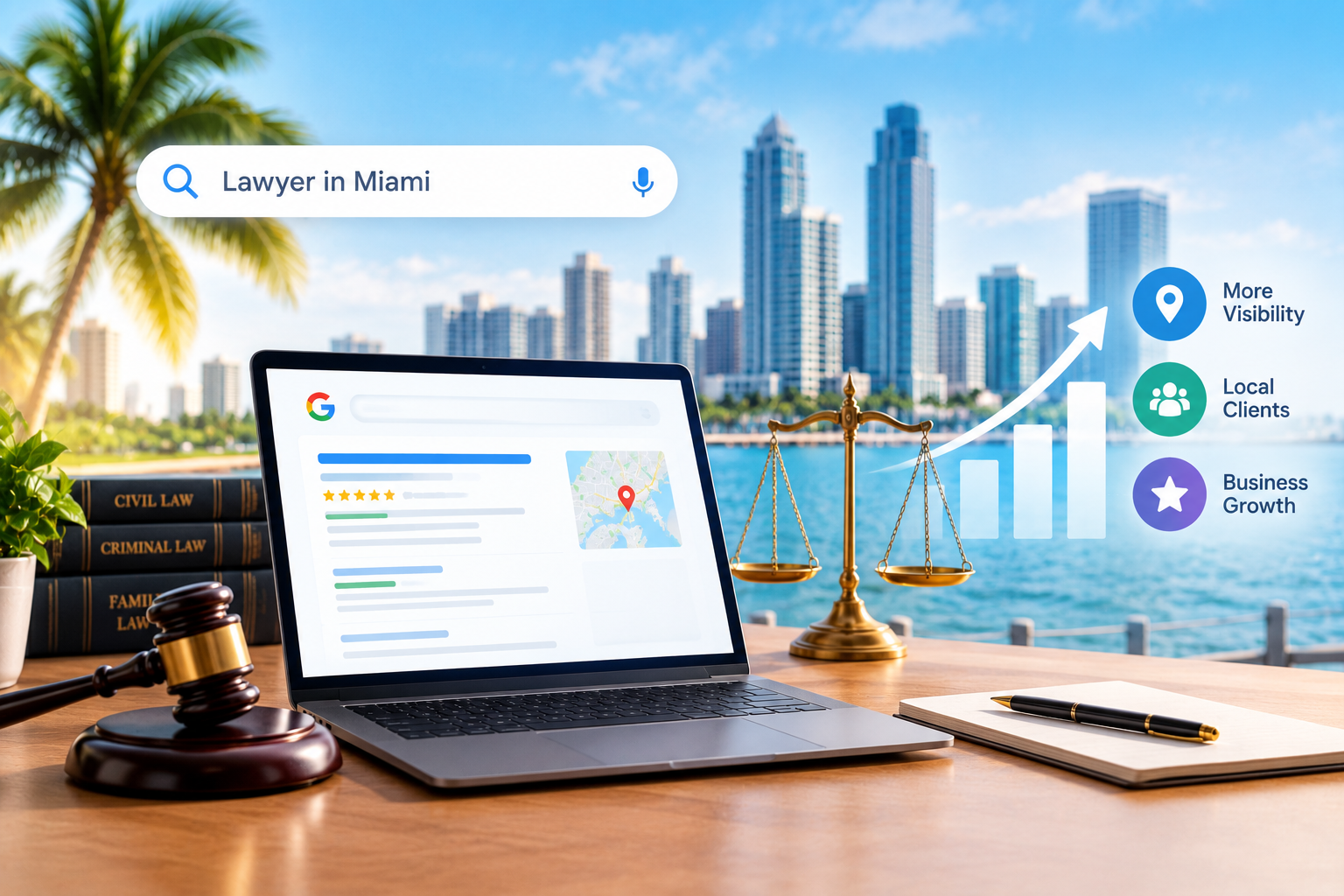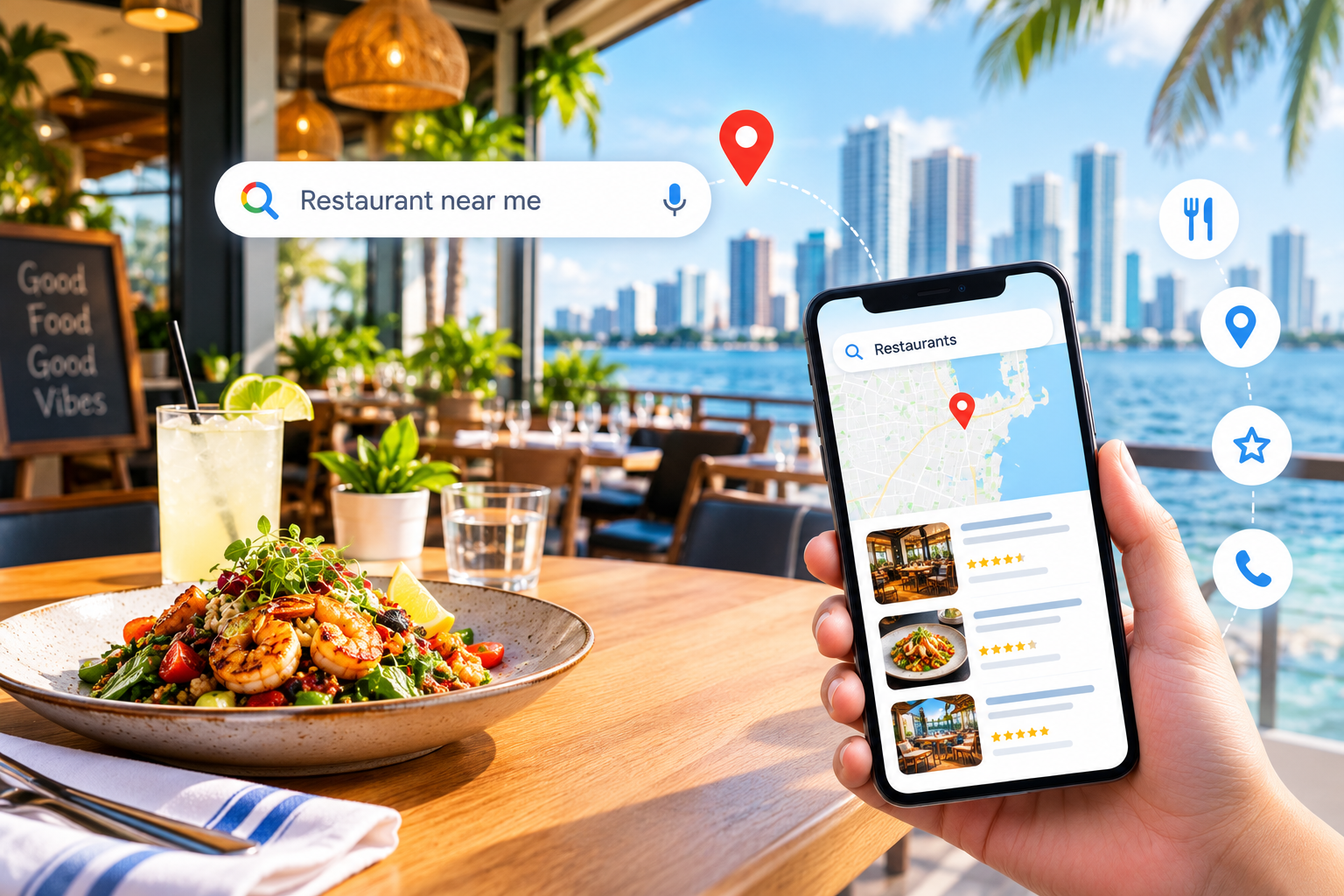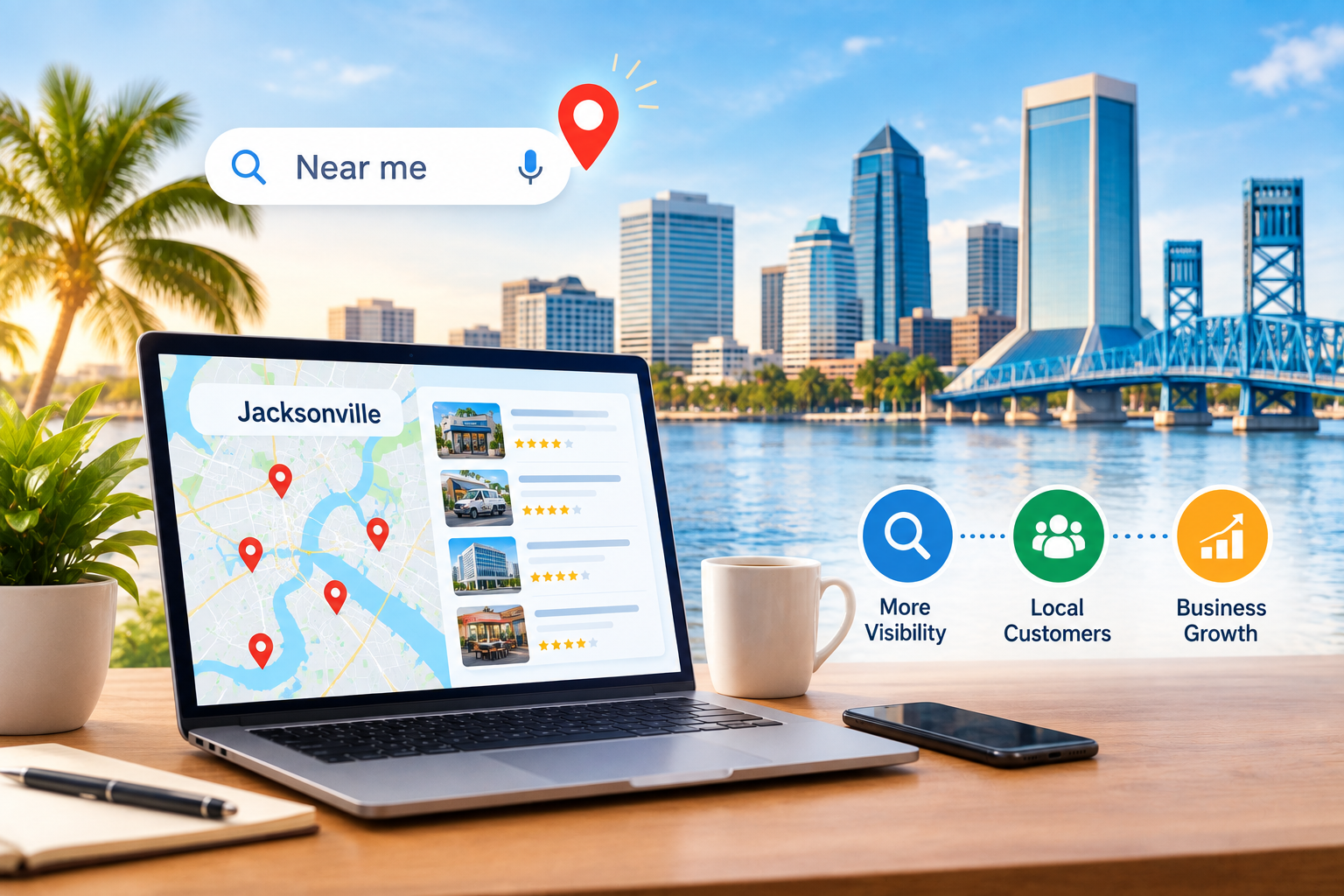

Healthcare patients often search online before choosing a doctor, specialist, dentist, or medical clinic. They may look for a nearby provider, compare reviews, check office hours, or visit a website to understand available services. If your practice does not appear in relevant search results, potential patients may find another provider first.
That is where SEO for healthcare becomes valuable. A well-planned local SEO strategy helps healthcare businesses improve their online visibility, provide useful information, and make it easier for patients to contact them.
For medical practices in Miami, local competition makes it important to focus on the right services, locations, and patient needs. This guide explains how to improve local search visibility, optimise your website, build trust, and measure whether your SEO efforts are generating meaningful enquiries.
Why Local SEO Matters for Miami Healthcare Businesses
Patients often include a location or speciality when searching for healthcare services. Someone might search for a paediatrician in Coral Gables, an urgent care clinic in Doral, or a family doctor near Kendall.
Local SEO for healthcare in Miami helps practices improve their visibility for relevant searches by strengthening their website content, business listings, and online reputation. It can also help patients find essential details, such as the clinic’s location, opening hours, contact information, and available services.
Local SEO involves more than appearing on Google Maps. Your website can also attract visitors through organic search results when it answers specific questions and clearly explains your services.
A focused strategy helps you reach people searching for the care you provide rather than attracting unrelated website traffic.
Optimize Your Google Business Profile
Your Google Business Profile gives patients quick access to important information about your practice. An incomplete or outdated profile can make it harder for people to determine whether your clinic meets their needs.
Start by checking your practice name, address, phone number, website, opening hours, and business category. Choose categories that accurately describe your primary services, and keep the information consistent with your website and other business listings. Google advises businesses to represent themselves accurately and use a precise address or service area. Review Google’s Business Profile guidelines.
Add appropriate photos of your premises, explain your services clearly, and update special hours when necessary. If your practice operates at multiple locations, make sure each eligible location has accurate information rather than creating duplicate listings.
Patient reviews also deserve attention. Encourage genuine feedback through appropriate, non-pressuring requests. Respond professionally to reviews, but never confirm someone’s patient status or reveal private medical information in a public reply.
A complete profile will not guarantee top rankings, but it gives prospective patients a clearer and more reliable picture of your practice.
Target the Right Local Healthcare Keywords
Effective SEO starts with understanding what potential patients search for. Broad phrases such as “healthcare services” may not reflect the specific needs of someone looking for a nearby specialist.
Instead, research terms related to your medical speciality, services, and actual service area. Examples include “paediatrician in Coral Gables,” “urgent care in Doral,” and “family doctor in Kendall.” These are illustrative keyword ideas; check actual search data before prioritising them.
Use relevant phrases naturally in page titles, headings, service descriptions, and website copy. Each important service should have a page that explains what the practice offers, who may benefit from the service, and how to request an appointment.
Avoid creating dozens of pages that simply replace one neighbourhood name with another. Each location page should provide genuinely useful information about the practice’s presence or service in that area.
The goal is to match the right page to the right search intent, not to repeat a keyword as often as possible.
Create Helpful and Trustworthy Healthcare Content
Patients need clear answers before deciding which healthcare provider to contact. Your website should explain your services in straightforward language and help visitors understand what to expect. A professional SEO company in Miami can help healthcare businesses develop useful, locally relevant content that addresses patients’ questions and improves online visibility.
For example, a Miami pediatric practice could publish a guide explaining what parents should consider when choosing a pediatrician. A primary care clinic might explain the differences between routine appointments and urgent care, while a specialist could answer common questions about preparing for a consultation.
Content should reflect real patient questions and local relevance. Avoid adding Miami references to articles when the location does not contribute anything useful.
Trust matters particularly in healthcare content. Include accurate provider credentials, relevant qualifications, and clear information about the practice. Medical content should be reviewed by an appropriately qualified professional, especially when it discusses symptoms, treatment options, or health risks.
Useful content can support SEO for the healthcare industry by helping search engines understand your pages while giving visitors a stronger reason to trust the information they find.
Improve Website Experience and Technical SEO
A healthcare website should make it easy for visitors to find information and contact the practice. If a page loads slowly, displays poorly on mobile, or hides the phone number, users may leave before taking the next step.
Review your website on mobile devices and make sure service pages, contact details, directions, and appointment forms are easy to access. Keep navigation simple and use descriptive page titles, headings, image descriptions, and internal links.
Technical SEO also includes checking whether important pages can be crawled and indexed, fixing broken links, resolving duplicate-page issues, and submitting an accurate XML sitemap through Google Search Console.
Structured data can help search engines interpret business information. Google provides guidance for LocalBusiness structured data, including details such as business hours. Use suitable markup only when it accurately represents the business and page content. Structured data does not guarantee higher rankings or enhanced search results.
Healthcare practices should also review privacy and security requirements before implementing analytics, advertising pixels, call tracking, or appointment-form tracking. Consult qualified compliance professionals when needed, particularly if the practice is subject to HIPAA requirements.
Build Trust Through Reviews and Local Authority
Patients often compare multiple providers before making a decision. Clear service information, professional credentials, accurate listings, and genuine patient feedback can help them evaluate your practice.
You can strengthen local authority by maintaining accurate information across reputable directories, participating in relevant professional associations, and earning links from legitimate local organisations or community resources.
For example, a clinic that contributes expert-reviewed health information to a local community initiative may earn a relevant mention on that organization’s website. The focus should remain on useful participation and genuine relationships, not simply collecting backlinks.
Reviews should be managed ethically. Do not buy reviews, pressure patients to leave positive feedback, or publish patient information without proper authorisation.
Trust-building takes consistent effort. It works best when your website, business profile, and real-world patient experience communicate accurate and consistent information.
Measure SEO Performance and Appointment Enquiries
SEO performance should be measured by more than keyword rankings. Rankings and impressions help show whether your website is becoming more visible, but they do not automatically mean more patients are contacting the practice.
Use Google Search Console to monitor search queries, impressions, clicks, and the pages attracting organic traffic. Website analytics can help you understand how visitors use your site, which pages they visit, and whether they take useful actions.
Where appropriate and privacy-compliant, track appointment form submissions, calls, and booking completions. Review these results alongside traffic trends to identify which services and pages generate relevant enquiries.
For example, if a speciality page receives more organic visits but few appointment requests, review its content, contact details, and booking process. The page may attract the wrong audience, or visitors may struggle to understand the next step.
A monthly review helps you identify problems, prioritise improvements, and make informed decisions about future SEO work.
Common Local SEO Mistakes to Avoid
Healthcare practices should avoid keyword stuffing, inaccurate business information, duplicate location pages, and unverified medical claims. Buying backlinks or manipulating reviews can also damage trust and create policy risks.
Another common mistake is focusing entirely on rankings while ignoring the website experience. Even a visible page may struggle to generate enquiries if it lacks useful information or makes contacting the practice difficult.
Prioritise accurate content, relevant local targeting, a user-friendly website, and consistent measurement.
Frequently Asked Questions
How long does local SEO take to show results for a healthcare practice?
The timeline varies depending on competition, website condition, local visibility, content quality, and the work required. SEO is an ongoing process, so monitor progress over time rather than expecting a guaranteed result by a specific date.
Is Google Business Profile important for doctors and clinics?
Yes. It helps eligible healthcare practices present accurate business information in Google Search and Maps. A complete profile can make it easier for people to find the practice, check its details, and visit its website.
Can a small medical practice compete with larger healthcare organisations?
A smaller practice can focus on specific specialities, useful local content, accurate listings, and a clear website experience. These steps can help it compete for relevant searches, although rankings depend on several factors.
How can healthcare businesses measure SEO-generated appointments?
Use suitable analytics and conversion tracking to measure calls, appointment forms, and booking completions. Make sure tracking methods comply with applicable privacy and security requirements.
Improve Your Healthcare Website’s Local Search Visibility
A strong local SEO strategy helps Miami healthcare businesses become easier to discover, communicate their services clearly, and provide a better experience for prospective patients. Start with accurate business information, useful service pages, a mobile-friendly website, and a reliable way to measure enquiries.
If you want to improve your website’s visibility, Sinelogix Technologies can help you assess your website structure, content, and local SEO opportunities. Explore our website development services and contact our team to discuss improvements that fit your business goals.